
Dentures are removable replacements for some or all missing teeth. They may be a good option if you have lost several teeth or have badly damaged teeth that cannot be saved. However, dentures are not needed for every missing tooth. The right option depends on how many teeth are missing, the health of your remaining teeth and gums, and your daily needs.
Some changes can make eating, speaking, and smiling more difficult. These changes may happen slowly, making them easy to overlook at first. Knowing what to look for can help identify when a dental assessment may be needed. If you are considering dentures in South Edmonton, an examination can help determine whether full dentures, partial dentures, or another treatment may be suitable.
Signs That May Mean Dentures Are Needed
Several dental problems may indicate it is time to discuss tooth replacement options. The signs you may need dentures can include:
- Several missing teeth: Gaps can make it harder to chew food and may affect how clearly certain words are spoken.
- Loose or severely damaged teeth: Teeth affected by advanced decay, gum disease, or injury may not be suitable for repair.
- Difficulty chewing: Trouble biting or chewing different foods may happen when many teeth are missing or damaged.
- Changes in your bite: Missing teeth can affect how the remaining teeth meet when the mouth closes.
- Changes in facial appearance: Losing several teeth can affect support around the cheeks and lips, sometimes making the face appear different.
- Ongoing dental problems: Repeated infections, pain, or damage may mean some teeth need to be removed.
These signs do not automatically mean dentures are the only option. A dental examination can help identify the cause and explain the available choices.
When Are Dentures a Suitable Option?
Dentures may be considered when several teeth are missing or when remaining teeth cannot be saved. They can replace missing teeth and help restore some everyday functions, such as chewing and speaking.
When exploring dentures near you, the right type depends on how many teeth need to be replaced and whether your remaining natural teeth are healthy. Your dentist may also discuss other options, such as dental bridges or implants, based on your needs.
A dental assessment usually includes checking the teeth, gums, and jaw. This helps determine whether any remaining teeth can be treated or whether removal is needed before dentures are made.
Full Dentures or Partial Dentures: What Is the Difference?
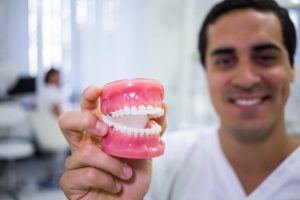
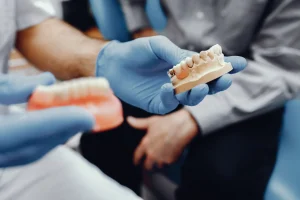
The main difference between full and partial dentures is the number of teeth they replace.
Full dentures:
- Replace all teeth in the upper jaw, lower jaw, or both.
- Rest on the gums and are designed to stay in place through their fit and support.
- May be recommended when no natural teeth remain in the area being treated.
Partial dentures:
- Replace one or more missing teeth.
- Fit around the natural teeth that remain.
- May use clasps or other parts to help hold them in place.
A dentist in South Edmonton can assess the condition of the remaining teeth and explain which type may work best. Partial dentures may not be suitable if the supporting teeth or gums are not healthy enough.
What Are the Benefits of Dentures?
The benefits of dentures for missing teeth can include improvements in daily comfort and function. Depending on the fit and the number of teeth replaced, dentures may help with:
- Chewing a wider range of foods.
- Speaking more clearly when missing teeth affect speech.
- Supporting the lips and cheeks.
- Filling visible gaps in the smile.
- Making everyday activities more comfortable.
Dentures need proper care and regular dental checks. They may become loose as the shape of the gums and jaw changes over time. Adjustments or replacement may be needed to maintain a comfortable fit.
What to Expect When Getting Dentures
Getting dentures usually requires a few visits to a dentist at a clinic near you. The process may include:
- Dental examination: The dentist checks your teeth and gums to understand your needs and decide what treatment is right for you.
- Treatment planning: The suitable type of denture is selected based on the condition of the mouth.
- Measurements and impressions: The shape of the mouth is recorded to help make dentures that fit.
- Fitting: The dentures are placed and checked for comfort and fit.
- Follow-up visits: Adjustments may be needed as the mouth gets used to the new dentures.
If tooth removal is required, the timing of denture placement will depend on healing and the treatment plan. Some people receive immediate dentures, while others wait until the gums have healed.
Find a Comfortable Way to Replace Missing Teeth!
Missing teeth can make simple activities like eating, speaking, and smiling more challenging. The right treatment can help improve daily comfort and restore the appearance of your smile. Contact Ace Dental Studio to book a dental assessment, review your tooth replacement options, and learn whether full or partial dentures may be suitable for your needs.
FAQs
What are the common signs that I may need dentures?
Common signs include several missing teeth, loose or badly damaged teeth, difficulty chewing, changes in speech, and changes in facial support. A dental examination is needed to confirm whether dentures are suitable.
Can I get dentures if I still have some natural teeth?
Yes. Partial dentures can replace missing teeth while fitting around healthy natural teeth. The remaining teeth and gums must be checked to make sure they can support the appliance.
How long does it take to get used to wearing dentures?
Getting used to dentures can take several weeks. Eating and speaking may feel different at first. Starting with soft foods, practising speaking, and following care instructions can help with the adjustment. Persistent soreness or looseness should be checked by a dentist.
What is the difference between full and partial dentures?
Full dentures replace all teeth in the upper or lower jaw, while partial dentures replace some missing teeth and work around the natural teeth that remain.